NIMBYism’ and ‘Park politics’ rather than fire risk is probably behind the move to ban camp fires (see here). My bet is that the Cairngorms National Park Authority (CNP) has caved in to pressure from residents and sporting estates who are anxious to blame somebody else for the wildfire problem land managers have, by and large, created.
There has been an recent influx of retired city folk to the Park, who are resident for at least part of the year, and the Park has become increasingly gentrified I wonder if this has also been a factor? Personally I would not be surprised if these new arrivals were also celebrating the decision to ban camp fires…. perhaps in the hope it will put to an end to what they consider to be ‘anti-social behaviour’ by campers?
In a political context the CNP obviously has a lot to gain from scapegoating campers by claiming without evidence that camp fires represent the greatest risk of wildfire within Park boundaries. And they mean business ..backing up this position with a ban which will be ‘enforced robustly with the help of Police Scotland and the Scottish Fire and Rescue Service and enhanced patrols at key sites by rangers’. Interestingly landowners large and small are exempt from the ban, and remain free to have BBQs and set open fires during the high risk summer period.
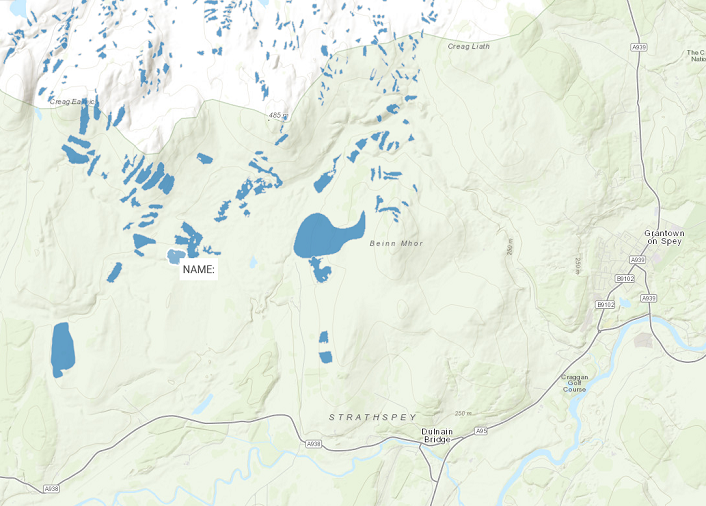
But are wildfires actually caused by campers? My colleague Euan Stevenson and I analysed the most recent satellite-derived data from NatureScot (see here) to explore this question. We found that the main cause of wildfire in the CNP is not actually campers, but sporting estates. Only 9% of wildfire burns were likely caused by campers, whereas 71% were most likely caused by ‘muirburn gone wrong’.
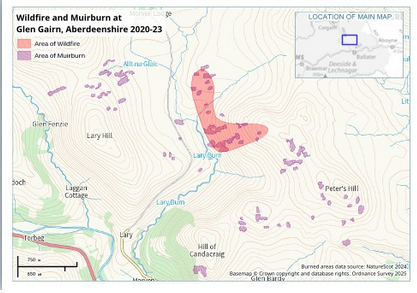
Overall wildfire accounts for around 22% of the total area burned in the CNP in the last 5 years or so. Although this is higher than across Scotland as a whole, where 8% of the total area burned is due to wildfire, our research shows that it has little to do with camping and more to do with sporting estate management. (The ground vegetation type (Heather – Calluna vulgaris) and the drier climate prevailing in the CNP, compared to the north and west of the country are also explanatory factors).
Our findings raises challenging questions for CNP decision-makers as they would seem to cast doubt on the CNP’s claim that camp fires are a major risk of wildfire. The CNP exists to promote outdoor recreation and camping, like grouse shooting, is an important recreational activity that creates seasonal jobs in the tourism sector locally. The CNP has a duty to act in a fair and balanced way when developing their policies to manage tourism and protect the environment and I am left wondering if they have failed in their duty on this occasion?
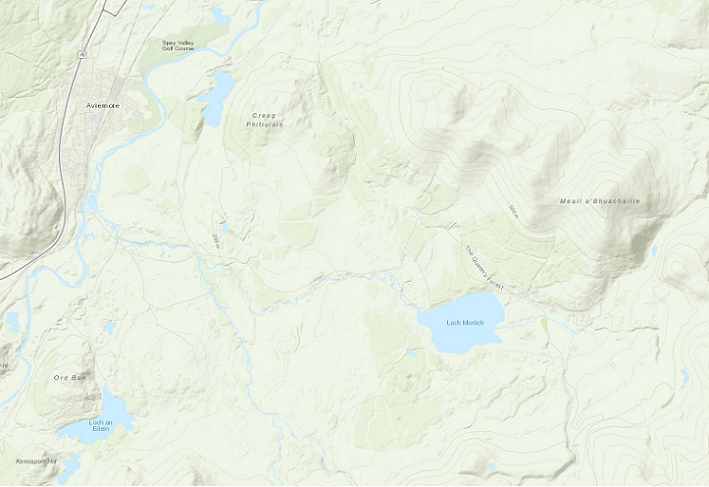
[This post first appeared on Prof MacMillan’s linked-in feed. I have added two screenshots from the NatureScot wildfire and muirburn data base to illustrate the points he makes further Ed].

Can you please clarify the source of the Dava Moor fire from earlier this year? I have heard rumours but not sure who to believe.
My understanding is we are still awaiting a report from the Scottish Fire and Rescue Service on the source of the TWO fires. Why it has taken SFRS so long is unclear.
Thanks to a reader I have been alerted to this article in Scotsman last week in which the Scottish Fire and Rescue Service say they think the cause of the first fire was probably a flare, that Cawdor estate were notified and thought they had extinguished the fire but it appears they hadn’t and it then spread unseen for several days (a similar thing happened with the Cannich fire which was caused by two campers, who quickly called the SFRS who also thought they had put out the fire……………..)
Apparently the SGA lobbying the government has managed to get the new muirburn regulations delayed until at least NEXT October!!
The two blogs challenging the ban on campfires and ‘attacking’ legitimate muirburn miss a couple of key points.
Banning camp fires in the CNP has almost no impact on individuals enjoyment of these beautiful heather clad hills. If someone wants a campfire then have it at a camp site in a fire pit, otherwise there are plenty of ways to have a hot drink or food whilst walking the hills without needing a fire. Nick please correct me if I am wrong as I don’t have the extent of experience you have in Italy but I am pretty sure there is a complete ban on camp fires outside of designated camp site fire pits in Italy and indeed many or most other European countries, (to protect the environment). However, the insinuation that it is unfair that landowners are treated differently being allowed to burn heather is unfair. Banning campfires for walkers has no economic impact on them or anyone else (they are not going to not come because they can’t light a camp fire), but banning heather burning has significant economic impact on land management, sporting income, well practised grazing/ hill farming, and the existence of wild bird populations, and could lead to higher risk of wildfire and its associated economic costs.
In my experience there is a missing aspect of wildfire which is those fires caused by farmers burning without the right equipment or trained people. This burning takes place to extend pasture grazing ‘up the hill’. The worst miscreants and I know who some are won’t bother to apply for a muirburn licence and will deny responsibility in front of SFRS as my neighbour did this April after deliberately lighting fires at the highest risk of wildfire. As you point out elsewhere this data is not provided by SFRS or captured in any studies.
“It’s just one more little rule and it doesn’t affect many people”.
Incrementalism is a key weapon in the armory of the authoritarian.
Scotland. where if you want to do something the Government probably wants to make it illegal if it isn’t already.
Very interesting. There is a wild fire right now on Culblean Hill, within the CNP. Unlikely to be a campfire given that it started up a infrequently accessed part of the hill and at the start of muirburn season. Lit on a windy morning, affecting road visibility and billowing smoke everywhere. You can smell it indoors with the windows closed. Precious little information available to residents.